Is "a bear bell keeps you safe" actually true?

Japan's Ministry of the Environment reports bear sightings have roughly doubled over the past decade. Human-habituated bears are increasing — animals that approach even when bells or radios are playing.
I started hiking through my university outdoor club and nine years later I'm still spending most weekends somewhere in Japan's mountains or forests. Lately I've been into rogaining — navigating on foot across both city streets and mountain terrain — which means I cover a pretty wide range of environments. Day job is at an IT company. Completely ordinary, just someone who thinks carefully about staying safe around bears.
When and where are encounters most likely in Japan?
The idea that "you're safe as long as you stay on popular trails" has changed a lot in recent years. Encounters on well-maintained routes are increasing. Understanding the situation matters more than avoiding a specific location.
September–November is peak risk
This is hyperphagia season — bears eat constantly before hibernation. When acorns and beech nuts are scarce, sightings on Japanese hiking trails spike noticeably. I always check local bear reports before entering the mountains during this period. May–June is also risky due to mother bears with cubs.
2 hrs after sunrise · 2 hrs before sunset
Bears are crepuscular — most active at dawn and dusk when they're foraging. That's why I feel most on edge during early starts and late descents. Overcast or rainy days raise the risk all day long.
Streamside paths · blind corners
River noise masks both your presence and theirs — sudden encounters happen frequently near streams. When I'm rogaining through dense brush, honestly, I'm pretty tense the whole time.
Check real-time bear sighting reports before entering Japan's mountains. Avoid or turn back from areas with recent activity.
Kuma Map (external) →Finding bear signs means a bear is nearby — act accordingly
Soft scat = within the last few hours. Turn back immediately.
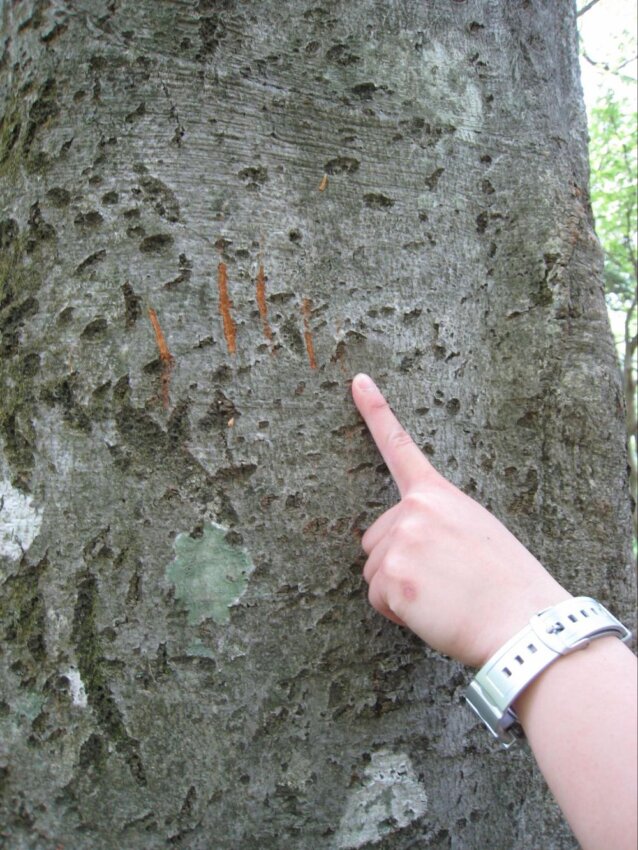
Deep vertical scratches on tree trunks. Territory marking — bears return to the same tree repeatedly.
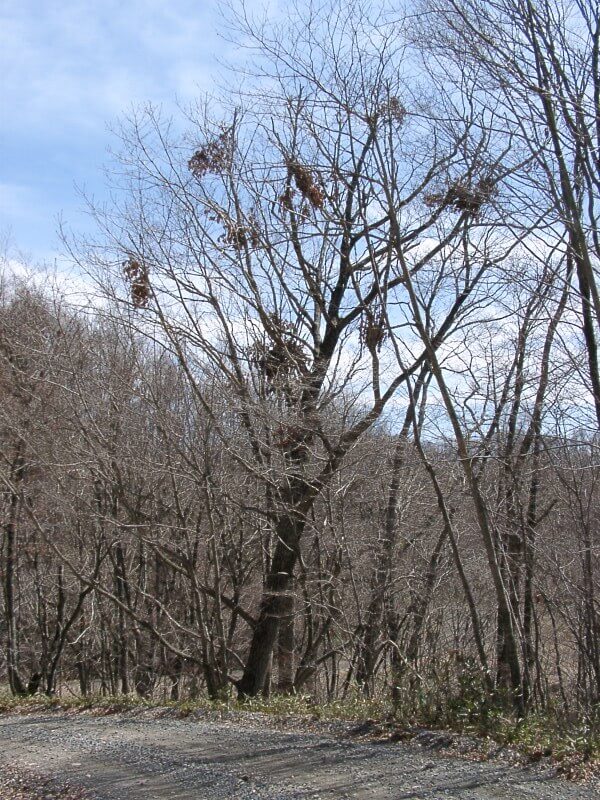
A cluster of broken branches high in a tree, left while the bear fed on its fruit. Look up into the canopy.
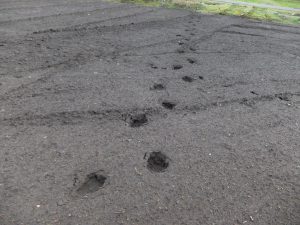
Front paws are round; rear paws resemble a large human foot. Sharp, unflattened edges mean very recent passage.
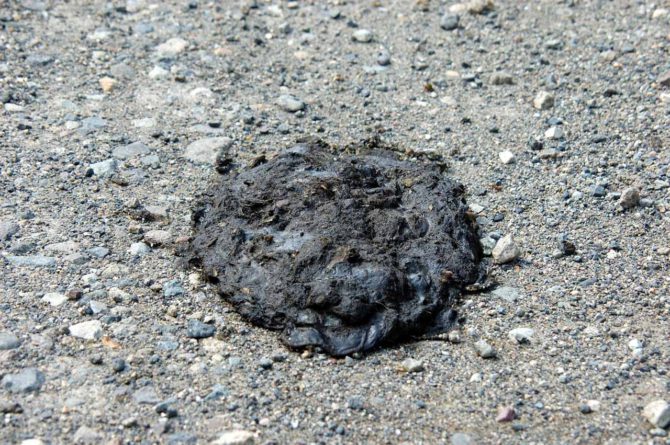
Soft and moist = within the last few hours. Often contains berry seeds or insect parts. Turn back immediately.
Gear I've used or tested — honest takes
For anyone who's not sure what to actually buy.
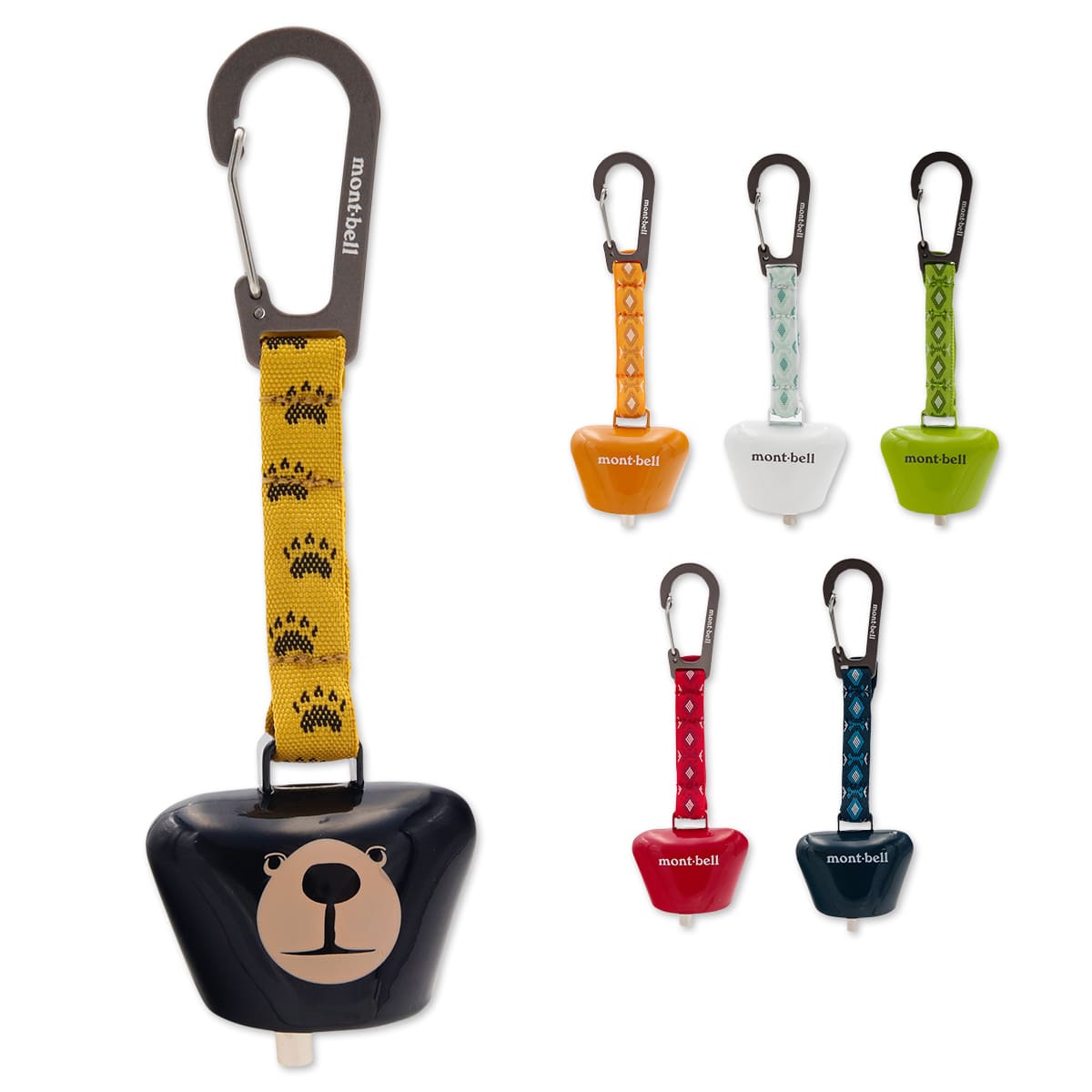
Bear Bell
Cheap ones produce a dull tone and break quickly. A quality outdoor brand bell at ¥1,500 or more rings clearly and carries far. Most include a mute clip — useful at campsites where you don't want the constant noise.
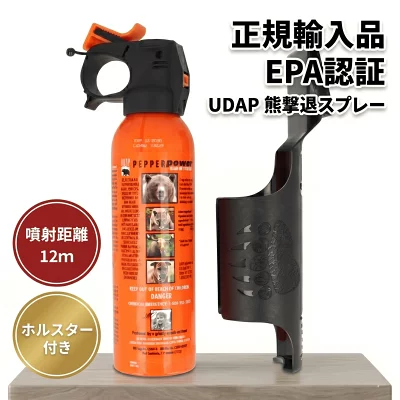
Bear Deterrent Spray
Cheap products can be mostly water — poor-quality knock-offs exist. Spend at least
¥6,000 on something reputable. Check the capsaicin concentration and spray range
(ideally 3–8 m). North American data puts the deterrence rate at over 90% (92%)
when used correctly.
Bear spray cannot be carried on flights in Japan. If you're
flying to a hiking destination, local rental is an option
worth considering.
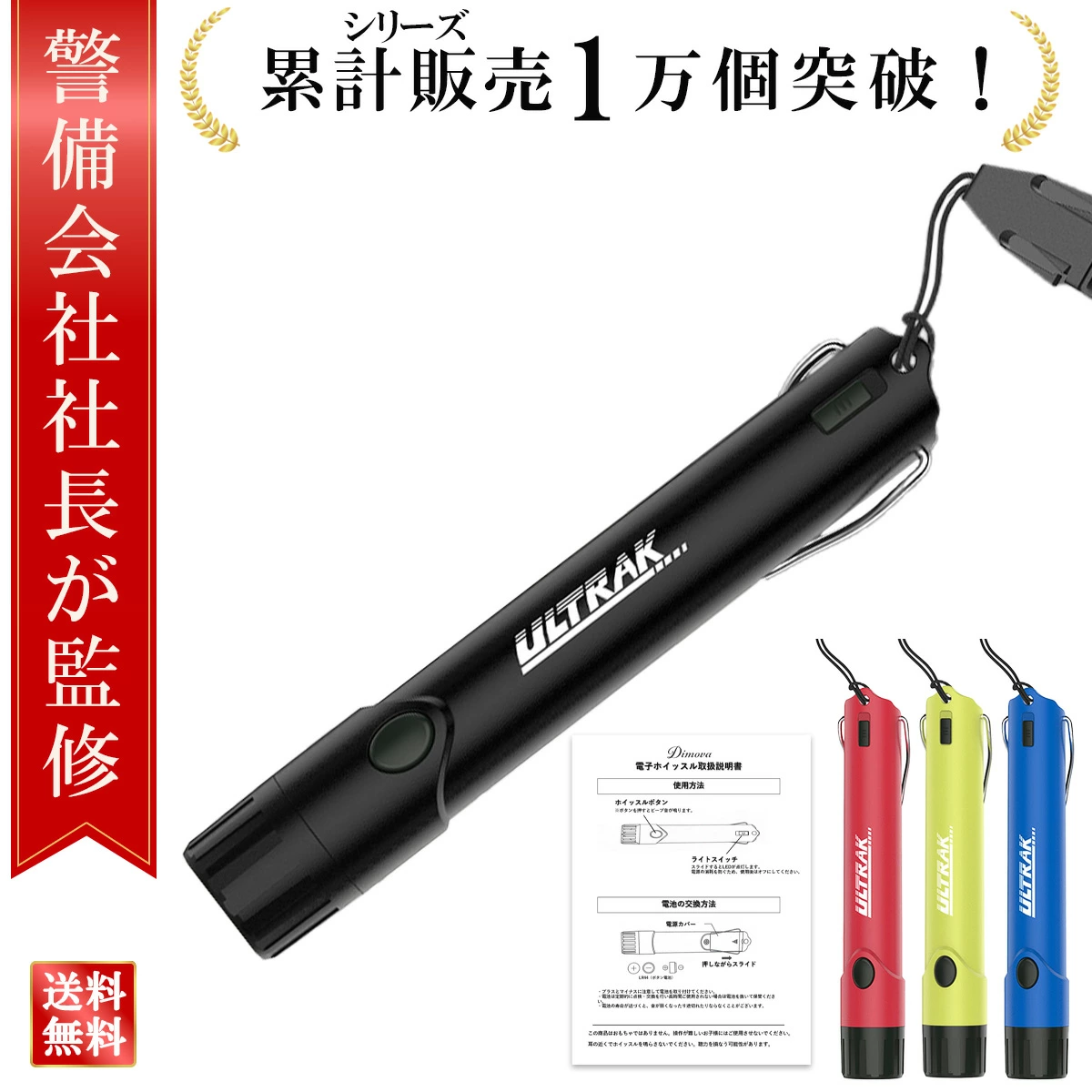
Electronic Whistle
Near loud streams, a bear bell may not carry far enough. An electronic whistle is dramatically louder. I use it selectively — at blind corners or spots that feel risky — rather than running it constantly.
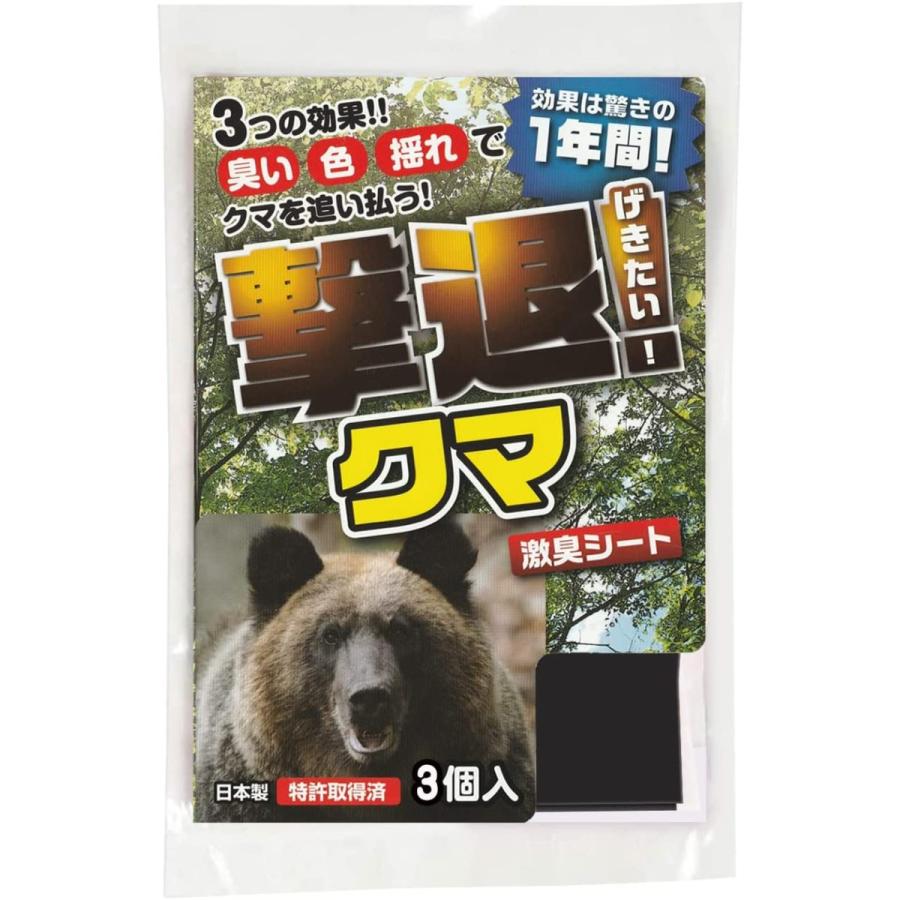
Bear Deterrent Sheet
Designed to be placed around farmland or gardens to keep bears away — not useful for hiking. Might be worth considering if you're protecting a property in Japan, but honestly the evidence for effectiveness is hard to evaluate. Don't rely on it.
Can't fly with bear spray? Not ready to buy? Rental is available at pickup points near Japan's major hiking destinations.
Bear Spray Rental — See Pricing →